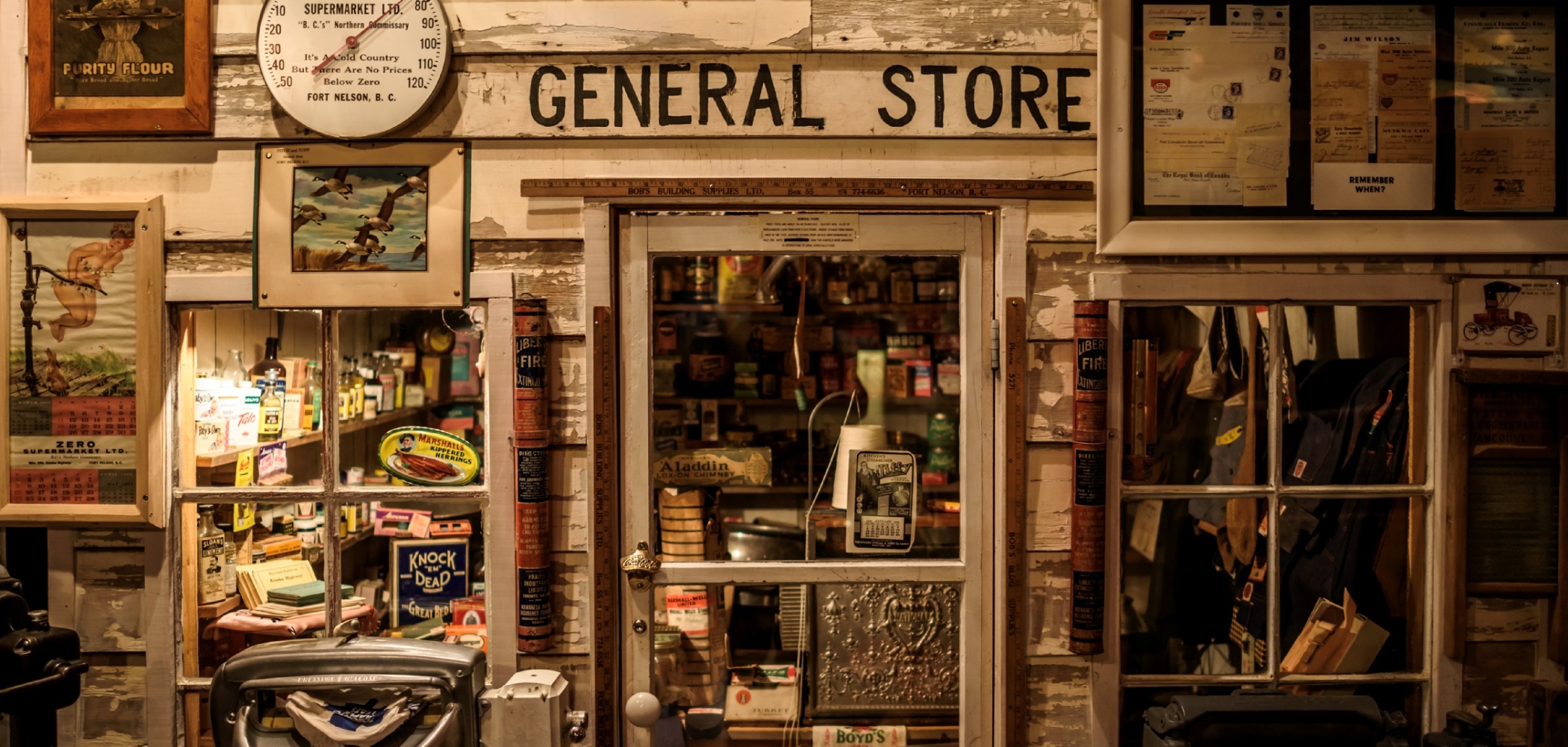
British Columbia's historic sites don’t include medieval castles or ancient temple ruins. Instead, most heritage sites in BC tell stories of determined people that carved out lives among a landscape of gigantic mountains, thick forests and the vast Pacific Ocean.
Ninety-one National Historic Sites, ten Provincial Historic Sites and three UNESCO World Heritage sites provide a wide range of experiences, many of them interactive and at well-maintained, restored locations.
Other historic sites in BC are off the beaten path – perfect for adventurous types with vivid imaginations. Step in ancient dinosaur tracks at Tumbler Ridge, or hike to the Burgess Shale and uncover bizarre fossils in Yoho National Park. Wander through weathered wood cabins in ghost towns such as Sandon. Or, tread softly between massive Haida First Nations mortuary totem poles on the Queen Charlotte Islands.
Learn more about Historic & Heritage Sites in BC's Regions and Cities:
Vancouver Coast & Mountains: An eclectic mix of sites, ranging from farming history at Kilby Historic Site to a Benedictine Monastery.
Vancouver Island: The historical legacy of resource industries – logging, fishing and forestry.
Northern British Columbia: Dinosaur tracks, totem poles, the Alaska Highway and the North Pacific Cannery.
Cariboo Chilcotin Coast: Gold rush history prevails: Barkerville, roadhouses and the Cariboo Wagon Road.
Kootenay Rockies: Fort Steele Heritage Town, ancient fossils at Burgess Shale, heritage buildings in Nelson and the SS Moyie.
Thompson Okanagan: Historic ranches, such as O’Keefe Ranch, the Kettle Valley Steam Train and the SS Sicamous.
Victoria: Nearly two dozen nationally recognized heritage buildings (including the Fairmont Empress and Parliament buildings) and Canada’s oldest Chinatown.
Vancouver: Gastown, a huge Chinatown, and naturally historic Stanley Park.
Vancouver and Victoria Heritage Sites
The stately Fairmont Empress Hotel is a Victoria icon (and, rumour has it, is home to a few ghosts). Admire the regal architecture and indulge in the nearly century-old Empress tradition of afternoon tea, complete with freshly-baked scones.
The green-domed Parliament Buildings are within easy walking distance of the Empress. Built in the 1890s (and designed by a shrewd 25-year-old architect), the Parliament Buildings are home to BC’s Legislative Assembly.
Vancouver’s historic Chinatown is one of North America’s largest, and Victoria’s Chinatown is Canada’s oldest. Pose for a photo at the ornate and colourful welcome gates, dig into plump, hot dim-sum, or browse shops in Fan Tan Alley, Canada’s narrowest street.
In Vancouver, stroll along the cobblestone streets of historic Gastown. Named for “Gassy Jack” Deighton – a talkative saloon-owner – this the birthplace of Vancouver. Today, it has an eclectic mix of shops and restaurants, as well as the much-photographed steam clock.
Mining and Gold Rush Sites
The legacy of the nineteenth century gold rush lives on at well-maintained heritage sites such as Barkerville (near Quesnel) and Fort Steele (near Cranbrook). Period costumes, interactive displays and entire towns created from restored heritage buildings make these sites “must-sees.”
Hundred-year old roadhouses in the Cariboo are great places to rest – just as they were over a century ago – and ghost towns such as Sandon or Quesnel Forks provide a less structured peek at old buildings left to decay.
For an authentic perspective on a miner’s life, head underground. The Britannia Mine Museum near Squamish and Kimberley’s Underground Mining Railway offer tours that travel right into dark, cool underground tunnels.
Historic Fishing Canneries
In the late 1800’s, salmon canneries popped up along the coast. Two excellent examples of historic canneries remain: the North Pacific Cannery near Prince Rupert and the Gulf of Georgia Cannery in Richmond. While the backdrops are very different – deep green forests versus the bustling village of Steveston – both attract plenty of visitors interested in West Coast fishing history and strolling along boardwalks.
Fur Trading Forts
Fort St. James and Fort Langley are national historic sites that showcase the days when beaver fur hats were in fashion. These forts were outposts for the Hudson’s Bay Company, and European goods were exchanged for furs, salmon and berries.
Original buildings and interpretive staff in period costumes give a sense of what life would have been like in the late 1800s.
Show Less