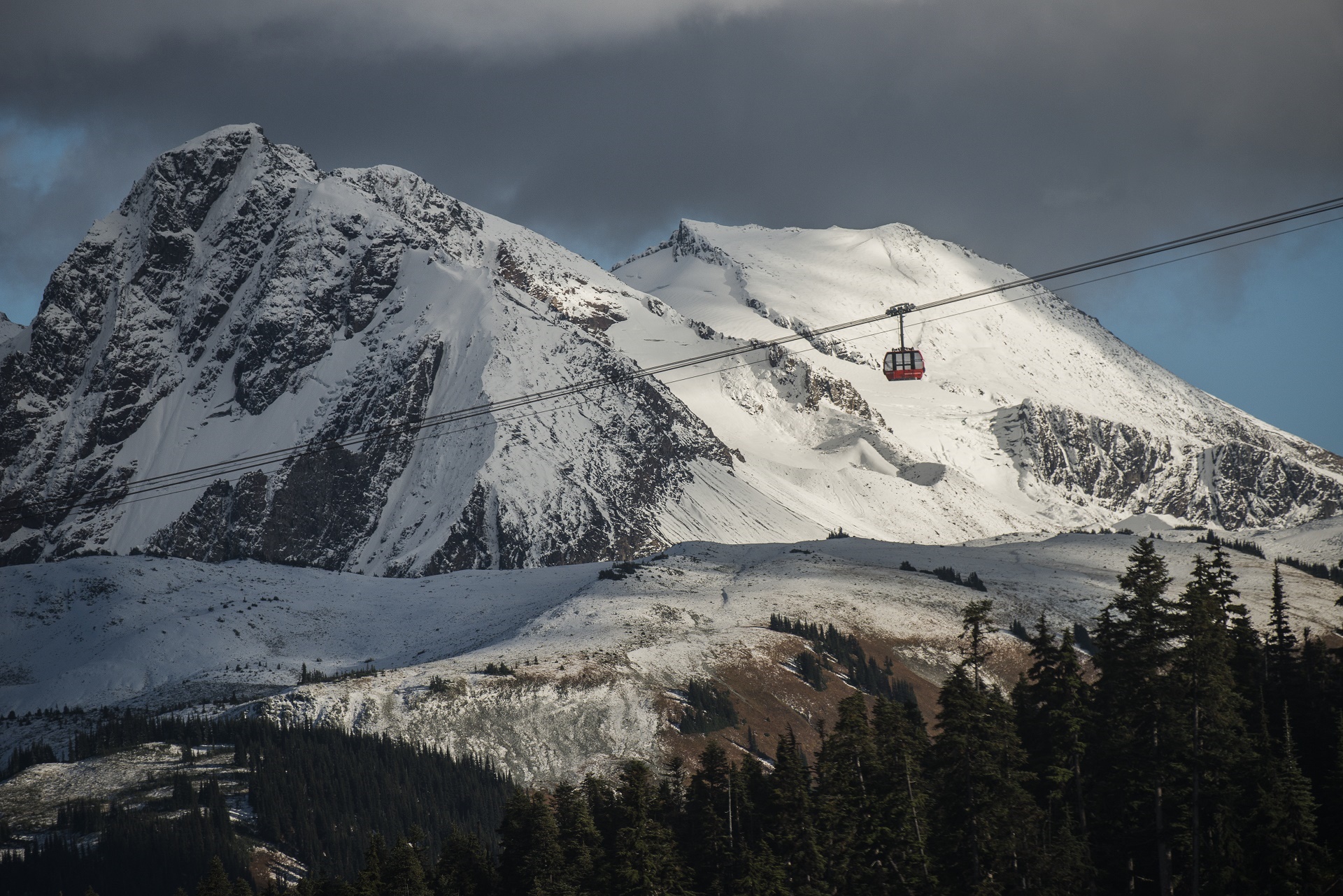
Best-known for its downhill skiing, snowboarding and winter wonderland activities, Whistler is actually a year-round destination that's perfect for hikers, ramblers and backpackers. Alpine meadows, sprawling glaciers and indigenous wildlife are just some of the wonders to experience on Whistler's hiking and walking trails.
During the summer months, the snows of North America's leading ski resort give way to a vast variety of hiking trails that spread across the valley and up the slopes of its surrounding summits. The PEAK 2 PEAK Gondola makes it simple to explore trails on both Whistler Peak and Blackcomb Mountain.
Or enjoy a gentle stroll along the Whistler Valley Trail, which is easy to access from the Village. Along the way, stop to inspect wildflowers, find places to picnic, play, swim, camp, bird watch and take in stunning views across glacial lakes.
Feeling adventurous? Try heli-hiking at Whistler to walk on a glacier or hike along rocky ridges.
Hiking Whistler's Alpine Trails
Fast-track to Whistler's alpine trails by riding the Whistler Village Gondola to the Roundhouse Lodge, at an elevation of 1,850m/6,070ft. From here, a spectacular network of well-marked trails branch out past glacial lakes, fields of wildflowers and permanent snowfields.
From Whistler Village, it's an easy stroll to Lost Lake, which is a favourite summertime destination with its small sandy beach and warm swimming waters. Whistler is also a major gateway to Garibaldi Provincial Park, which offers 90km/56mi of day and overnight hiking trails in a dramatic landscape of volcanoes, glaciers, icy ponds, streams, and meadows filled with heather and late summer wildflowers.
In addition to hiking trails, Whistler offers a number of other mountain activities such as rock climbing, with face-forward rappelling and summer ice climbing.
Whistler Wildlife Along the Trails
An estimated 50 black bears live on the slopes of Whistler and Blackcomb mountains, and can often be spotted from the gondola. Use a camera, but keep your distance. On the Musical Bumps Trail, listen for the high-pitched whistle of the marmot, after which Whistler gets its name. These furry little creatures live on rocky mountain slopes and are not shy around humans.
Guided Trail Tours
- Guided alpine trail tours depart daily from the top of the Whistler Gondola – enquire at the gondola ticket office for more information. Other tours explore bear, deer and cougar habitats, local waterfalls, and ancient cedar and Douglas-fir forests. For high-spirited explorers, try Whistler's heli-hiking. Hike across rolling meadows against a backdrop of breathtaking mountain vistas.
- Practical Points and Hiking Safety
- Outdoor equipment shops in Whistler Village stock a good selection of hiking and camping equipment, along with guides and maps. Remember the following:
- Weather conditions change rapidly in the high alpine. Bring a jacket, sunscreen and sunglasses.
- In early summer there may be patches of snow on the trails.
- Wear hiking boots with good ankle and arch support and be prepared to get muddy.
- When hiking on Whistler Mountain, check the gondola schedule so you know you have enough time to do the hike and ride back down to the Village.
- The community of Whistler pays special attention to ensure bear safety, including bear-proof litter bins and educational signs.
- Please leave the area you visit undisturbed and – where there are no bearproof litter bins – be sure to carry out your garbage. Do not get too close to or attempt to feed wild animals.
Highlighted Whistler Hiking Trails:
Whistler Valley Trail
Follow Whistler's Valley Trail as it winds past golf courses, lakes, creeks and parks. Enjoy the fresh air and get a close-up look at the local life and natural habitats. The trail extends through the entire valley, passing almost every neighbourhood between Alpha and Green lakes.
Paved for much of its 20-km/12-mi route, this low-grade trail is perfect for everyone. Start from many places throughout the Village and walk to shops and lakes, or enjoy a picnic by the river. Follow the signs posted at most intersections. This easy trail is best walked May to October, and time varies by route.
Ancient Cedars Loop Trail
This single-track trail leads through fields crowded with blueberry bushes and graced by a grove of old-growth cedars near the summit of Cougar Mountain. Along the way, spot lichen, skunk cabbage, devil's club and towering 900-year-old Douglas-fir trees.
The road to Cougar Mountain is at the north end of Green Lake, just past Whistler Village. Follow the well-marked Soo River Forest Road to reach the Ancient Cedars Loop Trail. It's also possible to hike the base of Cougar Mountain by following the Soo River Forest Road left around the Showh Lakes.
- Rated: easy to moderate
- Trail length: 4km/2.5mi
- Elevation change: 150m/492ft
- Approximate time required: 2 hours
- Best time: June to October
Lost Lake
Lost Lake, just off Lost Lake Road, is a short walk from Whistler Village and offers tranquil shores that make it a popular place to swim on a summer day. There's also an easy trail that loops through scenic woodlands and marshes with coyotes, muskrats, beavers and river otters. Pass glacial creeks, enjoy mountain views, and encounter turtles, salamanders, toads, frogs and fish on the way. Various other trail networks connect along Lost Lake.
- Rated: easy
- Trail length: 5km/3mi
- Approximate time required: 2 hours
- Best time: May to October
Whistler Mountain Trails
Whistler Mountain boasts some of the most enchanting walking trails in Canada. A day hike can travel over alpine meadows with wildflowers, through stands of western redcedar, or past sparkling lakes. Every step brings hikers closer to panoramic views as high as 2,182m/7,160ft on glacial peaks.
Paleface Trail is a 1-km/0.6-mi journey featuring extinct volcano viewpoints and includes an elevation change of 58m/190ft. Return time is 20-30 minutes. Ridge Lookout is a short, steep, 0.8-km/0.5-mi hike that includes a 68-m/223-ft elevation change and spectacular views. Return time is 30-35 minutes.
The Harmony Lake Trail and Loop walk is 2km/1.3mi to the lake or 3.5km/2.2mi including the loop. The elevation change is 125m/410ft. Return time is 60-90 minutes.
For a longer excursion, try Musical Bumps and enjoy views of Black Tusk, Cheakamus Glacier and Cheakamus Lake. From the top of the Whistler Mountain Gondola the route extends past three summits before reaching Singing Pass. Backtrack or follow a trail that descends to Whistler Village. This 21-km/13-mi trek takes 7-8 hours.
From the Roundhouse lookout, take the Peak Chair to Whistler's 2,182-m/7,160-ft summit. The 1-km/0.6-mi Peak Interpretive Walk showcases this alpine ecosystem, while providing unparalleled views of Black Tusk's distinctive peak. Return time is 60 minutes.
Also from the summit, the intermediate-advanced High Note Trail traverses pristine alpine meadows and provides sweeping vistas of glacial peaks above and the blue/green waters of Cheakamus Lake below. The trail passes the mountain's rocky south slope, before merging with the Musical Bumps Trail and heading back to the Roundhouse Lodge. This 10-km/6-mi hike takes 4-5 hours. Before setting off to explore, remember to note the time of the last gondola back down to the village.
- Rated: easy to difficult
- Approximate time required: varies by route
- Best time: July to September
Garibaldi Provincial Park
Garibaldi offers more than 90km/56mi of established hiking routes, making it a favourite destination for outdoor enthusiasts. The park's rich geological history, diverse vegetation, lakes and streams and abundant wildlife guarantee a memorable journey.
Just a short drive north of Whistler Village is the Wedgemount Lake Trail, a steep and challenging route that climbs 1,160m/3,800ft in just 7km/4.3mi. Hikers are rewarded by panoramic views of the turquoise-coloured lake, which is fed by the Armchair Glacier. To the south lies Wedge Mountain, Garibaldi's highest summit, at 2,891m/9,485ft. Allow 8 hours for this hike. Overnight wilderness camping is permitted – be sure to pack accordingly.
South of Whistler Mountain lies Cheakamus Lake, a popular family outing. From the trailhead, an easy and enjoyable trail leads through old growth forest, before emerging onto the shores of the glacier-fed lake. There are 10 lakeside campsites here for planning an overnight excursion. Plan 2-3 hours to enjoy this 6-km/3.7mi trail.
A popular day hike is to glacier-fed Garibaldi Lake, an 18-km/11-mi roundtrip of approximately eight hours. Backpackers often camp for the night at the lake's wilderness campground before continuing to the summit of Black Tusk, a volcanic cone remnant. The hike to Black Tusk from Garibaldi Lake is a 14-km/8.7-mi, six-hour roundtrip.
The southwestern region of Garibaldi, also known as Diamond Head, blends meadows, lakes and mountain vistas. The 22-km/14-mi roundtrip hike to Elfin Lakes requires about eight hours.
Garibaldi Park can be accessed by car from five entrances along Highway 99 between Squamish and Pemberton, starting just one hour north of Vancouver. The trailheads are anywhere from 4km/2.5mi to 16km/9.9mi from Highway 99.
- Rated: easy – difficult
- Approximate time required: varies by route
- Best time: July – October
- Wilderness camping: permitted in designated areas
- Garibaldi Park website
Show Less