The Kootenay Rockies region is a dream for backcountry skiing and snowboarding.
Choose from five spectacular mountain ranges – the Monashees, Rockies, Selkirks, Purcells and Valhallas – and venture through terrain coated in up to 15m/50ft of snow annually.
There are endless options for off-piste skiing along the “Powder Highway.” Hire a backcountry ski guide for a day trip or overnight in the extensive network of backcountry huts and lodges. Some ski resorts offer backcountry ski courses and single-ride lift tickets.
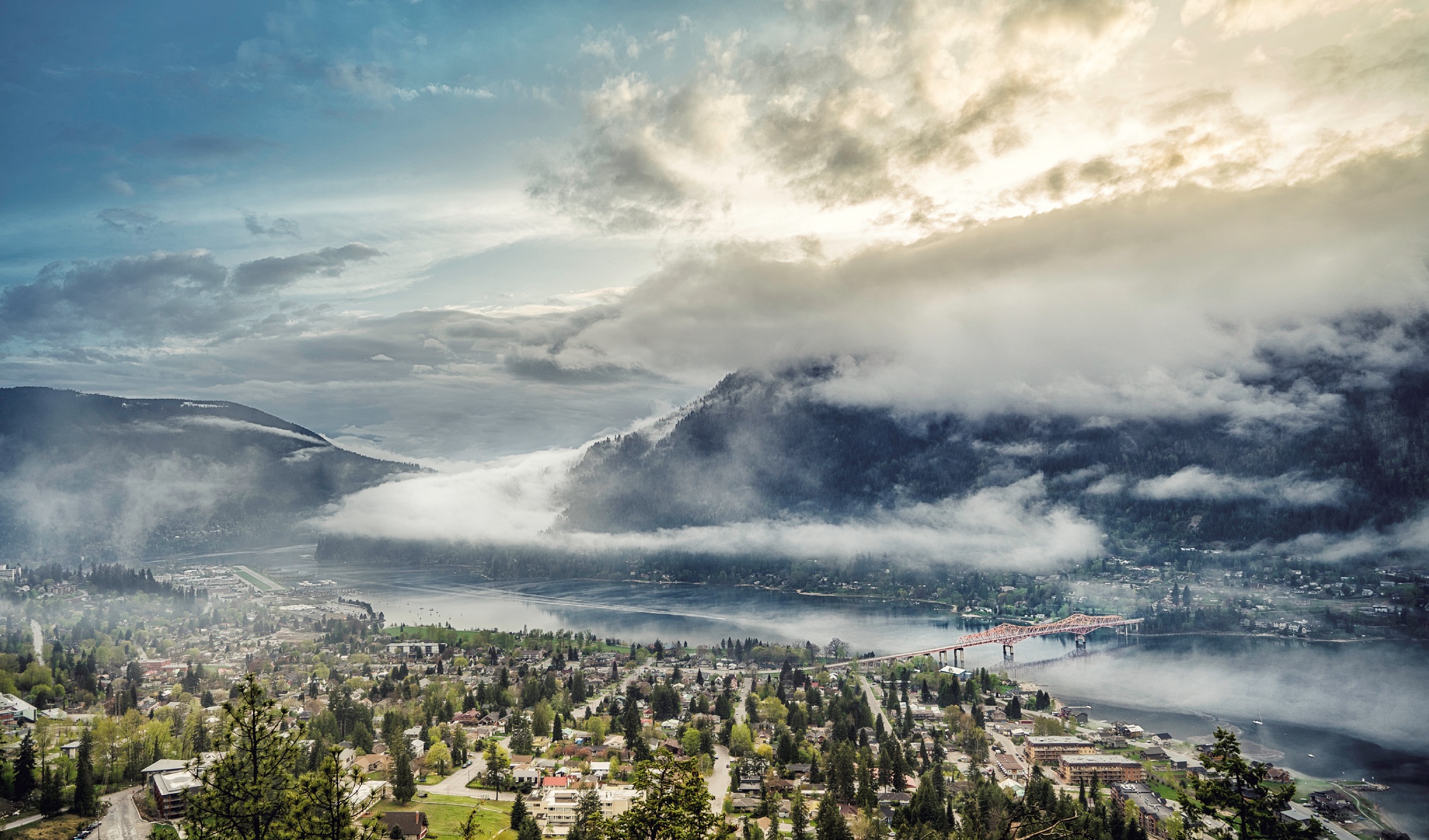
Golden, Revelstoke, Kimberley, Fernie, Rossland and Nelson are some mountain towns near popular backcountry skiing areas.
Backcountry Guides and Tours
Overwhelmed by the endless Kootenay terrain? A backcountry ski guide knows where to find the best powder and can safely assess the snowpack.
Slap on a pair of climbing skins for day trips based out of a backcountry lodge, or head out on a multi-day ski tour across ridges and glaciers. Lodges can be simple and rustic, or a little more luxurious: warm up in a cedar sauna, take a hot shower or retreat to a private room. Many ski tour companies provide catering so there’s no need to cook after a long day of skiing.
Self-Guided Tours
The Alpine Club of Canada maintains 15 backcountry huts in the Kootenay Rockies, ranging from basic shelters to log cabins. Private clubs, such as the Kootenay Mountaineering Club, also run huts and are great sources of local knowledge. The Rogers Pass Visitor Centre (in Glacier National Park) has backcountry reports and a voluntary registration service. Even experienced skiers should consider hiring a local guide when heading into unfamiliar backcountry.
Backcountry Skiing near Revelstoke and Golden
Golden has a high concentration of backcountry ski lodges in complex terrain punctuated with glaciers and jagged peaks. Expect deep powder in the trees and verticals up to 2,250m/7,380ft.
Prime backcountry is just a bootpack away at Kicking Horse Resort. Purchase a single-ride lift ticket for “slackcountry” access to the backside of the Dogtooth Range. Ski Canada magazine touted the backcountry Super Bowl as “Best Bowl” due to its diverse line options and lack of crowds.
Between Revelstoke and Golden, Roger’s Pass (in Glacier National Park), is easily accessible by car, making it a good staging point for ski touring. Terrain includes glaciers, ice fields and granite peaks. Ski the Seven Steps of Paradise then get cosy in the Asulkan hut.
Fairy Meadows (also between Revelstoke and Golden) is home to the popular Bill Putnam hut. Spend the day knee-deep in powder surrounded by granite rock faces and glaciers, then unwind in the hut’s sauna.
At Revelstoke Mountain Resort, advanced skiers can choose from 2 to 3 day backcountry skiing courses or can take a day trip to the sub-peak of Mount Mackenzie to experience cold smoke powder.
Backcountry Skiing near Nelson and Rossland
Nelson is a popular pick-up point for tour operators. The diverse terrain ranges from gentle slopes and scenic ridges to epic descents accessible only by bootpack. Ymir Peak (near Whitewater Winter Resort) is a favourite for locals of all backcountry skill levels.
At Whitewater Winter Resort, advanced skiers can join a customized backcountry ski touring group to learn about equipment, avalanche safety and route finding. Single-ride chairlift tickets, avalanche safety packs and local safety bulletins are available.
In Rossland, Red Mountain Resort’s Snowsports School has backcountry guiding programs that include a personal guide. Easy lift connections mean more than 1,000ha/2,500ac of accessible backcountry. Tackle excellent tree-skiing on nearby Mount Roberts or Grey Mountain.
Backcountry Skiing near Fernie and Kimberley
Navigate open larch meadows and steep chutes in the Selkirks and Purcells around Kimberley, where the high elevation means the powder is light and dry.
Near Fernie, the Thunder Mountain hut (run by the Fernie Trails & Ski Touring Club) provides access to the bowls and slopes of Cedar Valley and the Lizard Range.
Backcountry Skiing Events
The Kootenay Cold Smoke Powderfest (February) at Whitewater celebrates the light-as-air powder for which the region is famous. Races, clinics, films and a photography competition entertain backcountry skiers of all levels.
Practical Points
- Access to routes may require four-wheel drive, tire chains or a snowmobile.
- Research, careful planning and avalanche skills training are key to a safe trip.
- Before going into backcountry, check local weather forecasts and avalanche conditions. The Canadian Avalanche Association is a good resource.
- Travel with and know how to use proper equipment. An avalanche transceiver, avalanche probe, metal avalanche shovel, first aid kit and appropriate layers of clothing are necessary.
- Ski with a professional backcountry ski guide or with experienced skiers. Always travel with a group and be prepared with rescue equipment.
Read Less