


Rainforest to Rockies: Trans Canada Trail and Kettle Valley Rail Trail
Embark on a panoramic and multi-modal biking, hiking, and ferry adventure on the Kettle Valley Rail Trail along the Trans Canada Trail.
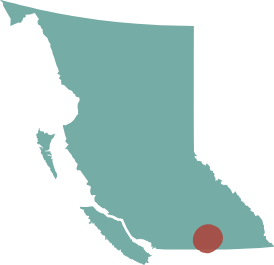
The lower Similkameen Valley in British Columbia’s arid southern interior is filled with orchards, ranches, and wineries, with an ethos of organic farming. The upper Similkameen is home to an abundance of wildlife and outdoor recreation sites.
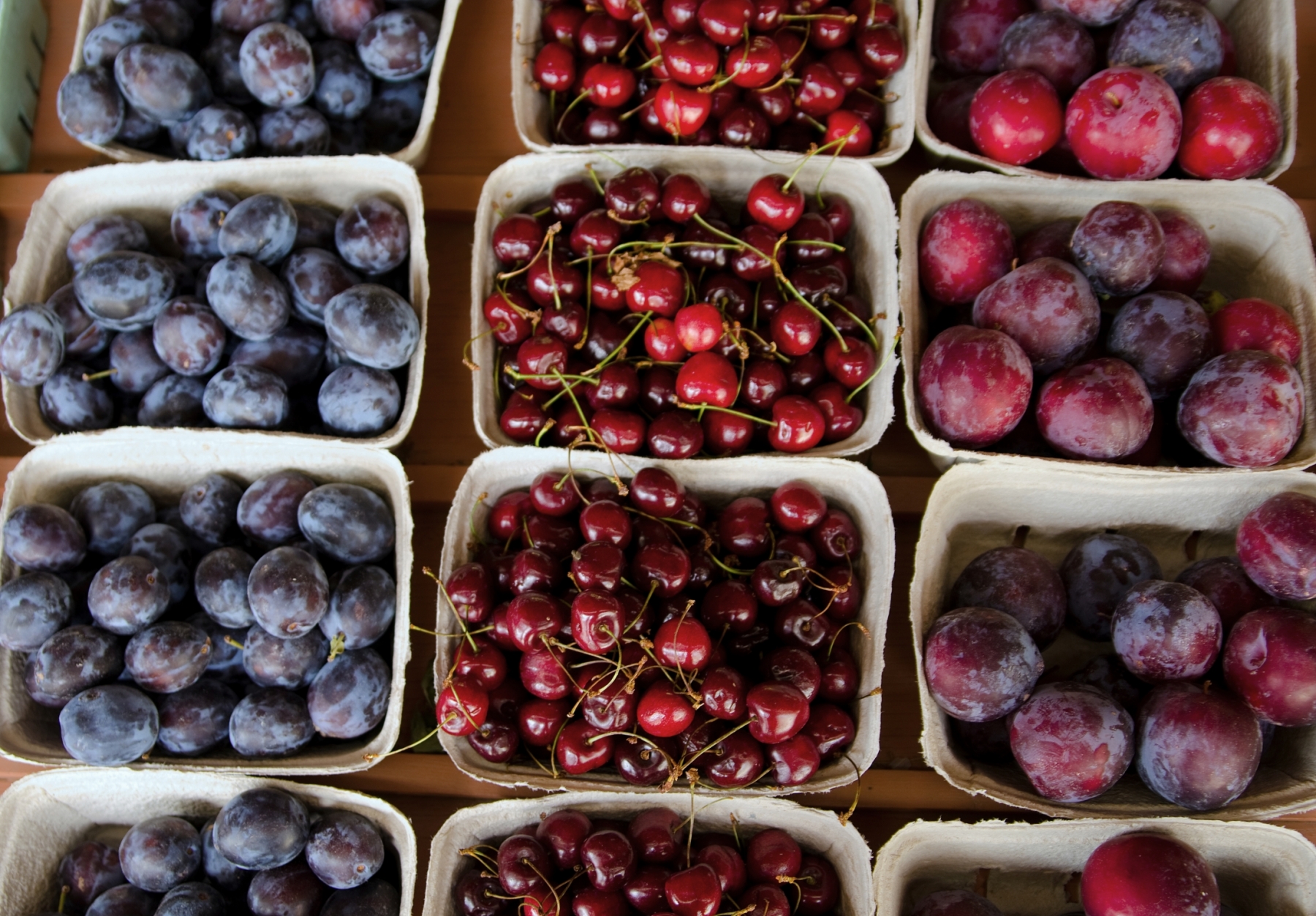
Keremeos, known as the “Fruit Stand Capital of Canada,” is a must for fresh produce. Relaxed and unpretentious, it’s a great place to picnic, camp, float down the river, and cycle through the sagebrush. Manning Park is the area’s classic old-school resort for Nordic and downhill skiing in the winter, and outstanding hiking, camping, and swimming in summer.
Princeton, by contrast, is known as the “Bronze Sculpture Capital of Canada.” Follow the Bronze Sculpture Walk to see 15 sculptures highlighting the area’s diverse wildlife, and take time along the route to snap photos and enjoy the scenery.
Highway 3 winds through the Similkameen Valley, a scenic journey that runs across the southern edge of the province. It’s a relaxed and rewarding route between Vancouver and the Okanagan Valley, or a worthwhile destination on its own.
See what's happening now with these recent posts.
Visitors to British Columbia can arrive by air, road, rail, or ferry.
Visit TodayFive-star hotels, quaint B&Bs, rustic campgrounds, and everything in between.
Rest Your Head